

Solkadhi is a traditional Goan kokum curry made with coconut milk and kokum. Kokum agal (kokum syrup) is often added for a deeper colour and a stronger flavour. This easy, no-cook recipe comes together in just 30 minutes using fewer ingredients. It is a cooling, refreshing digestive drink, perfect to serve with rice or enjoy after meals.
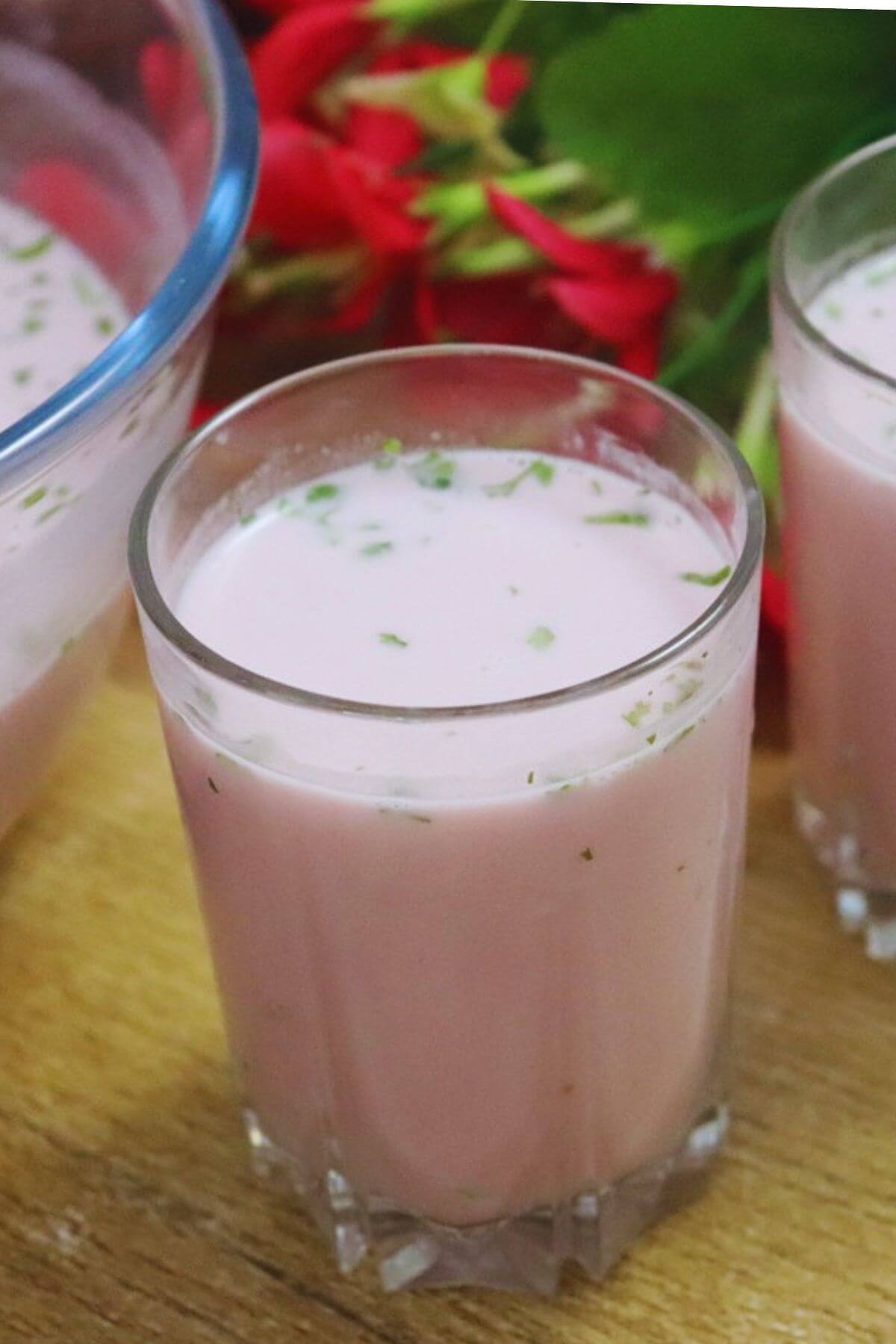
Solkadhi, also called kokum curry, is a traditional drink from the Konkan region, mainly in Goa and Maharashtra. This Goan kadi has a light, tangy taste with mild sweetness from coconut milk, along with a gentle garlic and green chilli flavour.
I make this Goan solkadhi with coconut milk and kokum agal (kokum syrup). If you don't have agal, don't worry, I have shared an easy variation in this recipe.
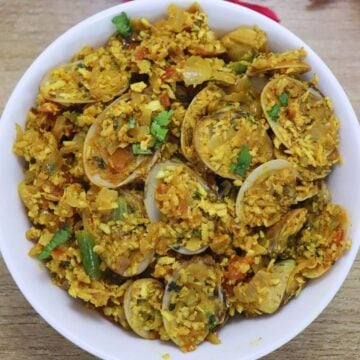
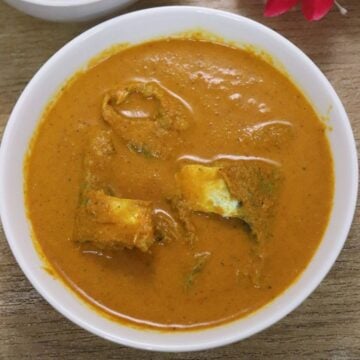
Solkadi is commonly served with meals or enjoyed at the end of the meal for digestion. I love serving this kokum curry as part of a Goan rice thali with rice, Goan fish curry, kingfish fry, and Goan clams (tesri) sukka.
I have seen many variations of the solkadi recipe that add cumin seeds or a tempering with mustard seeds, curry leaves, and hing.
We keep our Goan solkadi simple with fewer ingredients, so the taste of coconut milk and kokum really stands out. You can still add other ingredients if you like, based on your taste. I am sharing how we make solkadi at our Goan home.
Jump to:
Quick Look: Goan Solkadhi Recipe
- ⏱ Prep Time: 15 minutes
- 🔥 Cook Time: 0 minutes (No-cook recipe)
- 🥥 Calories: ~159 kcal per serving (based on nutrition panel)
- 🌿 Key Ingredients: Fresh coconut, kokum, kokum agal (kokum syrup), green chillies, garlic, coriander leaves
- 🥣 Cook Method: Soak kokum → extract coconut milk → mix with kokum extract and agal → add salt → garnish and chill or serve fresh
- 🌶 Spice Level: Mild with a gentle heat from green chillies
- 😋 Flavor Profile: Tangy, refreshing, mildly spicy, and cooling
- ⭐ Difficulty: Easy, beginner-friendly, and perfect for summer meals or after meals
Why You'll Love This Recipe
- Quick and easy: Solkadi is ready in just 30 minutes with simple steps.
- No cooking needed: Just mix, and it is done.
- Cooling and refreshing: Kokum is known for its slightly tangy flavor and natural cooling properties. Perfect for hot days and helps digestion.
Goan Solkadi Ingredients
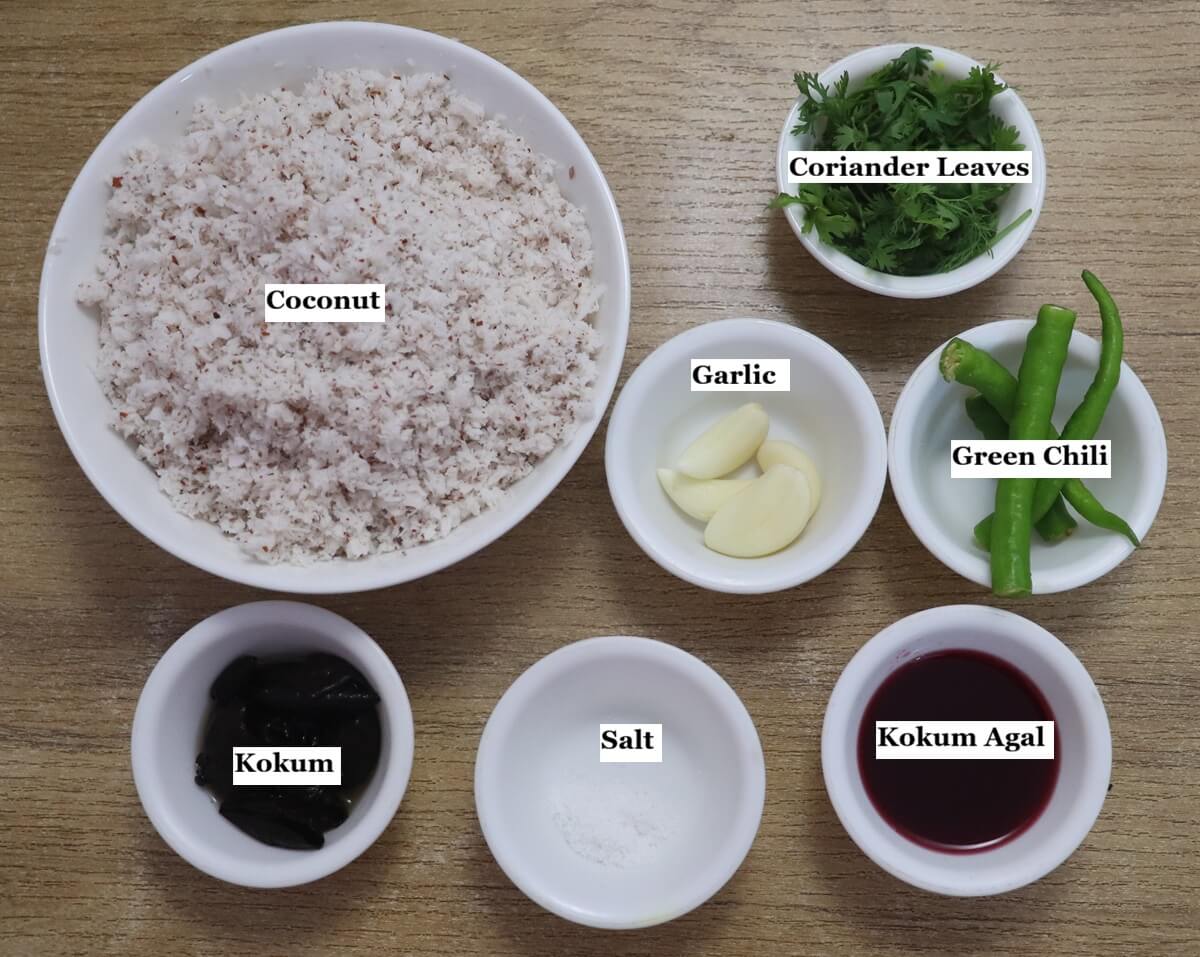
See the recipe card at the end of the post for full ingredients, quantities, and a printable version.
- Coconut milk: Fresh coconut milk is the soul of this Goan kokum curry. It adds a rich taste and takes only a few minutes to prepare.
- Kokum: A coastal fruit popular along the Konkan coast. In Goa, we use kokum in daily cooking for its mild, tangy flavor.
- Kokum agal (kokum syrup): Adds a strong kokum taste and gives the solkadi a beautiful pink colour. You won't get this beautiful pink colour with kokum extract alone. If you don't have agal, use more kokum petals (10-12 or as needed) and add 1 tablespoon grated beetroot for colour. Do not add too much beetroot, as it can change the taste.
- Garlic and green chillies: Add a light, subtle flavour without overpowering the curry.
How to make Goan Solkadhi at home (Step-by-Step)
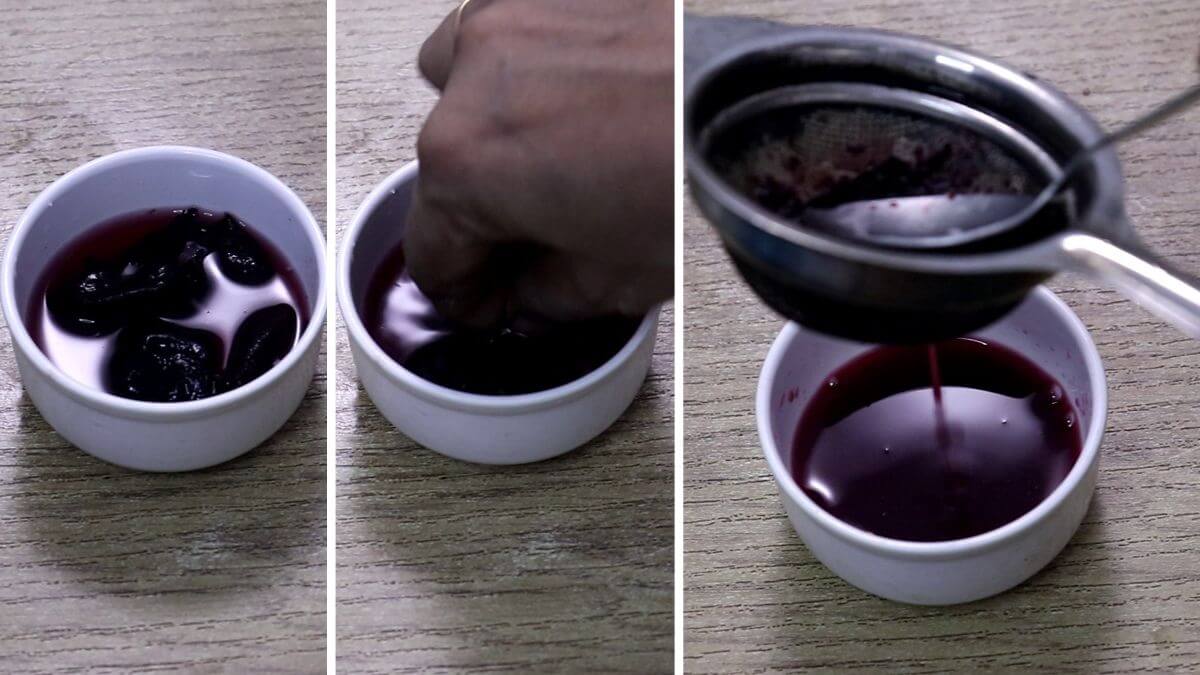
Step 1: Soak kokum in warm water for 15 minutes. Press well to release the extract, then strain and keep aside.
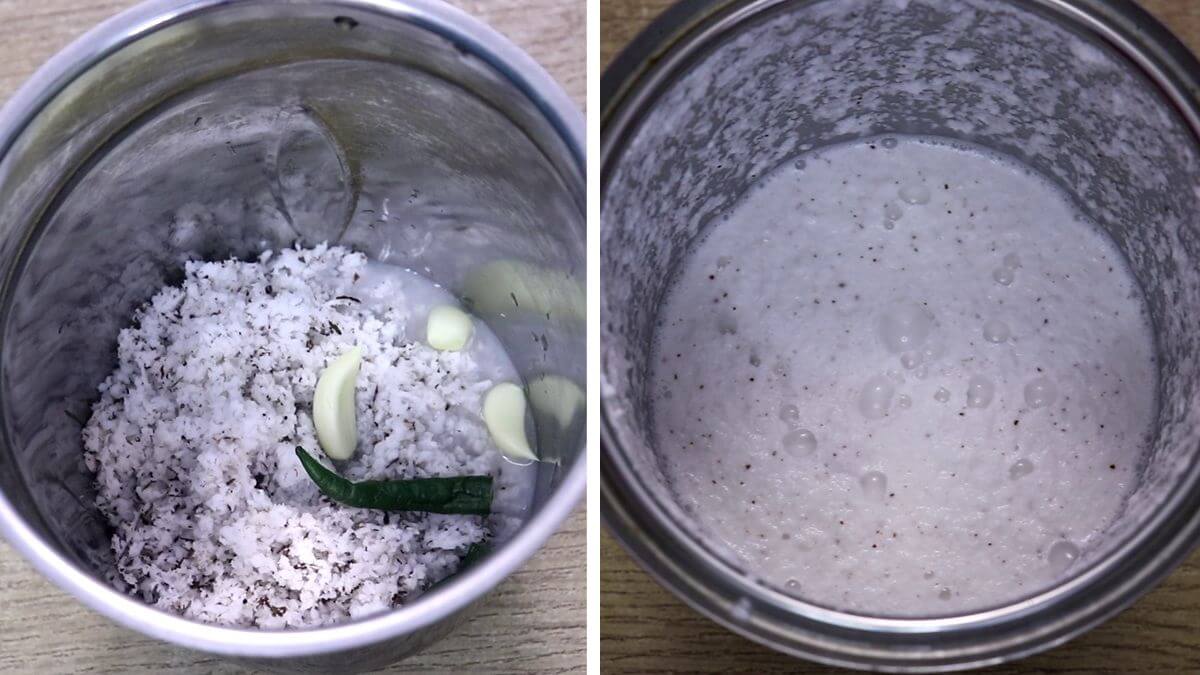
Step 2: In a mixer, add coconut, green chillies, garlic, and some water. Grind to a fine paste.
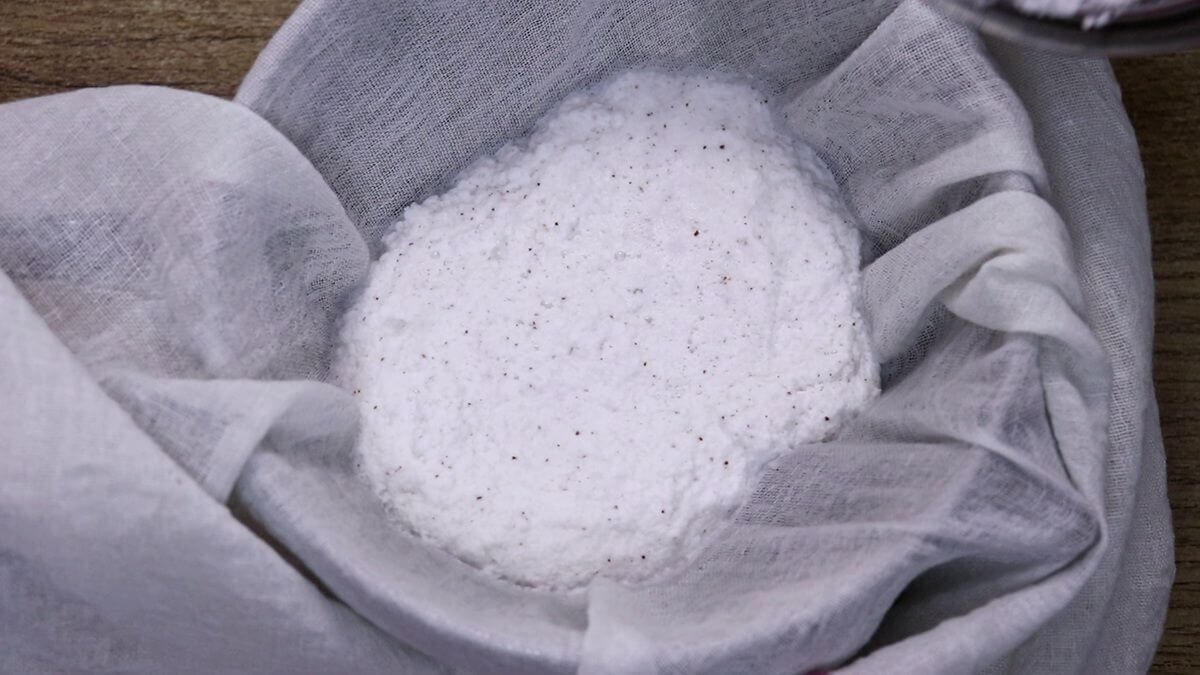
Step 3: Place a strainer over a bowl and line it with a muslin cloth. Pour the mixture into it.
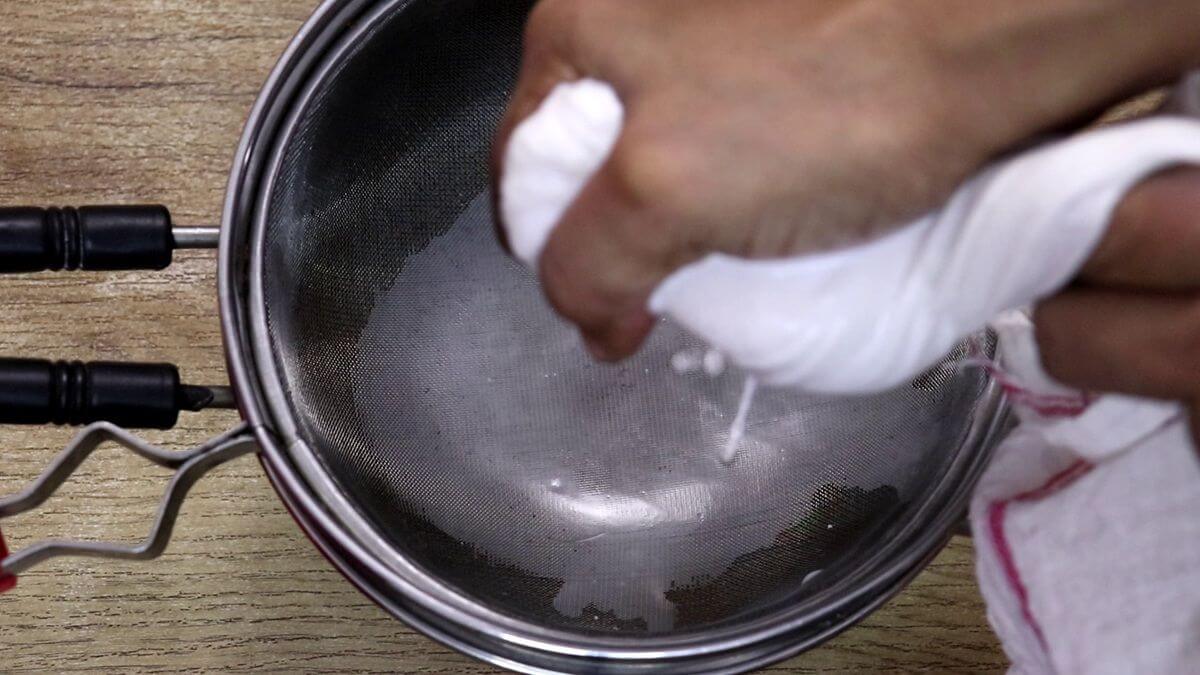
Step 4: Squeeze out the thick coconut milk. Transfer the leftover mixture back to the mixer jar, add some water, grind again, and squeeze out thin coconut milk in the same bowl.
Step 5: In a bowl, combine coconut milk and kokum extract.
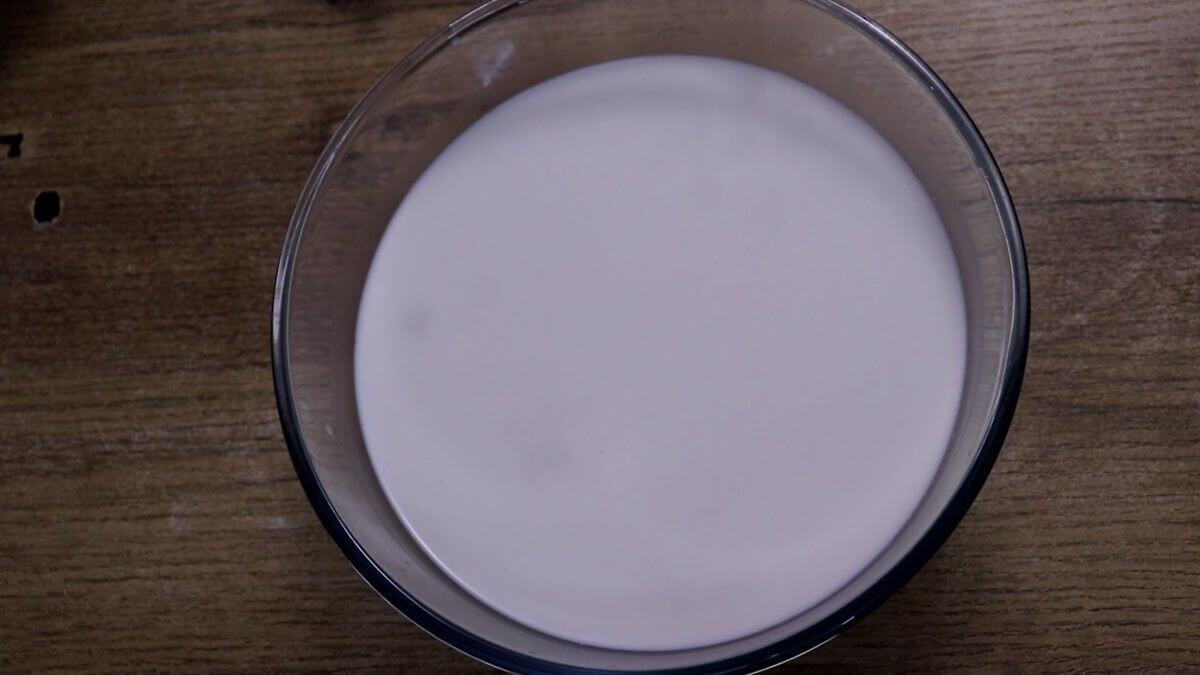
Step 6: Add kokum agal (if using) and salt, then mix well. Taste and adjust salt or kokum extract slowly as needed.
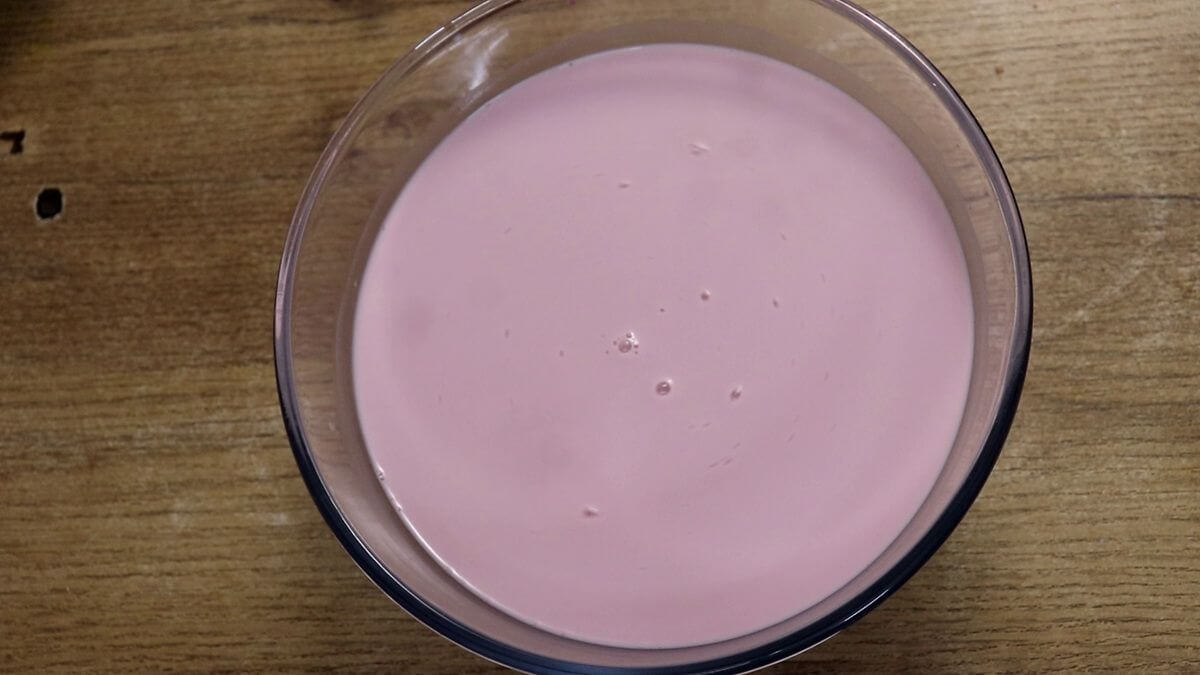
Step 7: Garnish the kokum curry with coriander leaves. Serve Goan solkadhi with rice or chill for an hour and enjoy as a cooling drink.
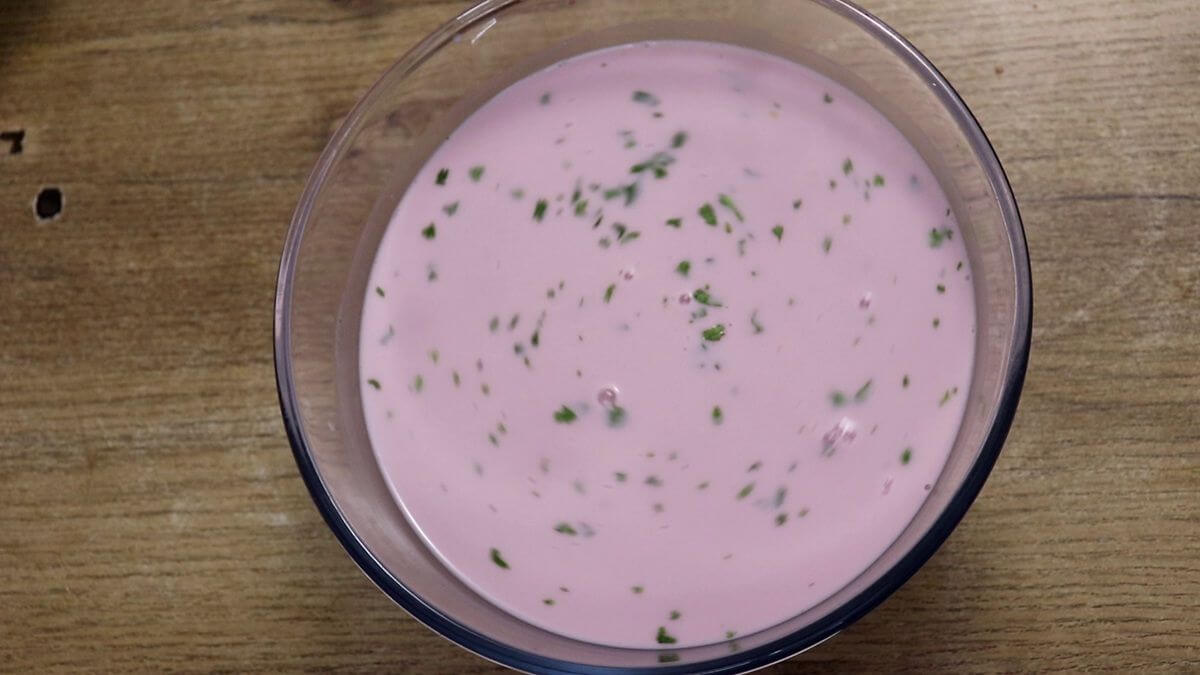
Tips for Perfect Solkadhi
- Add kokum slowly: Do not pour all the extract/agal at once. Start with half, then adjust as needed. Kokum can vary in tanginess, so always taste before adding more.
- Balance the flavour: If solkadi feels too sour, add a little sugar to balance it.
Recipe FAQ
The name comes from Konkani words: Sol means dried kokum peel, and Kadhi/Kadi refers to a coconut milk-based curry.
Solkadhi gets its pink color mainly from kokum. When kokum is soaked and mixed with coconut milk, it releases a natural pink shade. Kokum agal (kokum syrup) can make the color even brighter.
Yes, you can make Solkadhi without kokum agal. Increase the dried kokum peels to about 10-12 (or adjust as per taste) and soak them well to get a good extract. Kokum agal mainly gives a deeper pink color and stronger flavor, so without it, the kadhi will be lighter in color but still tasty.
Kokum agal is a thick, concentrated kokum extract made from soaked and pressed kokum. It is commonly available in Goa, and many Goan homes use it to make solkadhi.
It has a strong kokum flavour and gives solkadhi a rich pink colour. Compared to regular kokum extract, agal is more concentrated, so you need to use only a small amount.


Recipe Card
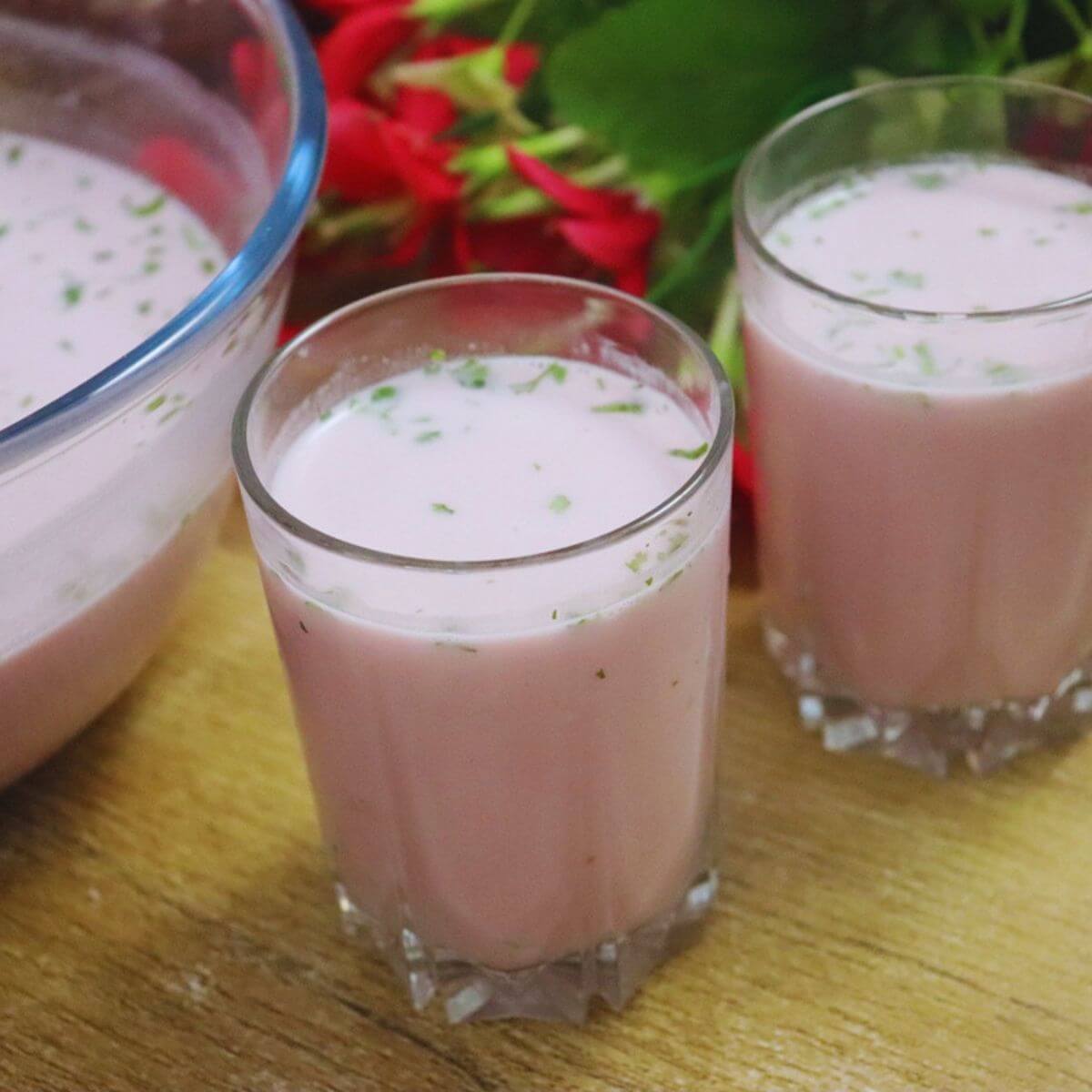
Goan Solkadhi Recipe | Kokum Curry
Video

Equipment
- 1 Mixer
- 1 Mixing bowl
Ingredients
For coconut milk
- 2 cups fresh coconut 1 whole coconut
- 2 green chillies as per taste
- 3 garlic cloves
- Water as needed
For Kokum extract
- 6-7 kokum petals
- 3 tablespoon warm water
Other
- ¼ cup kokum agal substitute: refer notes
- Salt to taste
- Finely chopped coriander leaves
Instructions
Prepare kokum extract
- Soak kokum in warm water for 15 minutes. Press well to release the extract, then strain and keep aside.
Extract coconut milk
- Grind coconut, green chillies, garlic, and some water.
- Place a strainer over a bowl and line it with a muslin cloth. Pour the mixture into it and squeeze out the thick coconut milk. Transfer the leftover mixture back to the mixer jar, add some water, grind again, and squeeze out thin coconut milk.
Making solkadhi
- In a bowl, combine coconut milk and kokum extract. Add kokum agal (if using) and salt, then mix well. Taste and adjust salt or kokum extract slowly as needed.
- Garnish with coriander leaves. Serve with rice or chill for an hour and enjoy as a cooling drink.
Notes
- Add kokum slowly: Do not add all the kokum extract or agal at once. Start with half, then adjust. Kokum can vary in tanginess, so always taste before adding more.
- Balance the flavour: If this kokum curry feels too sour, add a little sugar.
- Chill before serving: Tastes best when slightly cold.
- Do not overuse garlic: Keep it mild so the kokum and coconut flavours stand out.
Nutrition
Nutrition information is automatically calculated, so should only be used as an approximation.


Preeti Nayak
I make this Goan Solkadhi often, especially during hot days, and it always turns out so refreshing. The mix of coconut milk and kokum gives it a lovely tangy taste, and it goes perfectly with rice after a meal. If you enjoy simple Goan recipes, do give this easy Solkadhi a try.