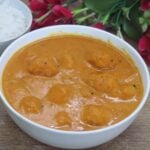
Mango Sasav Recipe | Ghotache Sasav | Ripe Mango Curry
Mango Sasav is a traditional Konkani mango curry made with small-sized Ghota mangoes, fresh coconut, mustard seeds, and a few simple spices. This sweet and tangy ripe mango curry is especially popular in Goa and Karnataka during the summer mango season. Easy to make, ready in 30 minutes, and full of flavour, serve it as a side dish with steamed rice and curry.
Servings: 12 servings
Calories: 312kcal
Equipment
- A heavy bottom pan/pot
Ingredients
- 24 small-sized mangoes Ghota mangoes
- 1 cup fresh coconut
- ¼ teaspoon mustard seeds sasav, for roasting
- ½ teaspoon mustard seeds sasav, for tempering
- ¼ teaspoon turmeric powder
- 1½ teaspoon red chilli powder adjust to taste
- A pinch of asafoetida hing
- ½ cup jaggery adjust to taste
- Salt to taste
- 1 teaspoon oil
- 1 sprig curry leaves (optional)
Instructions
- Prepping the mangoes: Wash and peel the mangoes. Keep the peeled mangoes aside. Rinse the peels in water and squeeze out any pulp attached to them. Discard the peels and reserve the mango-infused water for cooking.
- Roast the mustard seeds: Dry roast the mustard seeds until they start to splutter and release their aroma. Set aside and let them cool slightly.
- Prepare the coconut masala: Grind the freshly grated coconut, roasted mustard seeds, turmeric powder, red chilli powder, and a little water to a slightly coarse paste. This coconut-mustard masala gives mango sasav its signature flavour.
- Tempering the sasav: Heat oil in a pan. Add mustard seeds and let them splutter. Add the hing and sauté for a few seconds. If you have curry leaves, add a few. They add a lovely aroma to the curry.
- Cook the mangoes: Then add the peeled Ghota mangoes, jaggery, salt, and mango-infused water from washing the peels.
- Mix well. Let it come to a boil. Cover and cook for 5-7 minutes, stirring in between. The cooking time may vary depending on the size and ripeness of the mangoes.
- Add the ground masala: Add the prepared coconut paste and mix well. Add water if needed to adjust to a semi-thick consistency.
- Bring the curry to a gentle boil, then simmer for 2 to 3 minutes until the flavours come together. Enjoy this sweet, tangy, and mildly spicy Konkani mango curry as a side dish with steamed rice and curry for a traditional Goan meal.
Video
Notes
- Use small ripe Ghota mangoes for the best sweet and tangy flavour. I always use fully ripe mangoes as they give the most authentic taste.
- Roast the mustard seeds gently until they just start to splutter. Over-roasting can make the curry slightly bitter.
- I prefer grinding the coconut masala slightly coarse rather than completely smooth. The tiny coconut bits give the curry a traditional texture.
- Adjust the jaggery depending on how sweet your mangoes are.
- Stir occasionally while cooking, as the jaggery can stick to the bottom of the pan.
- Mango Sasav is a semi-thick curry, so add water carefully. Simmer gently after adding the coconut paste.
- Boiling it for too long can reduce the fresh coconut flavour and cause the mangoes to lose their shape (soft and mushy).
- Taste and adjust the seasoning before serving to get the perfect balance of sweet, tangy, and mildly spicy flavours.
Nutrition
Calories: 312kcal | Carbohydrates: 72g | Protein: 4g | Fat: 4g | Saturated Fat: 2g | Sodium: 203mg | Potassium: 727mg | Fiber: 7g | Sugar: 40g | Vitamin A: 228IU | Vitamin C: 151mg | Calcium: 51mg | Iron: 1mg